
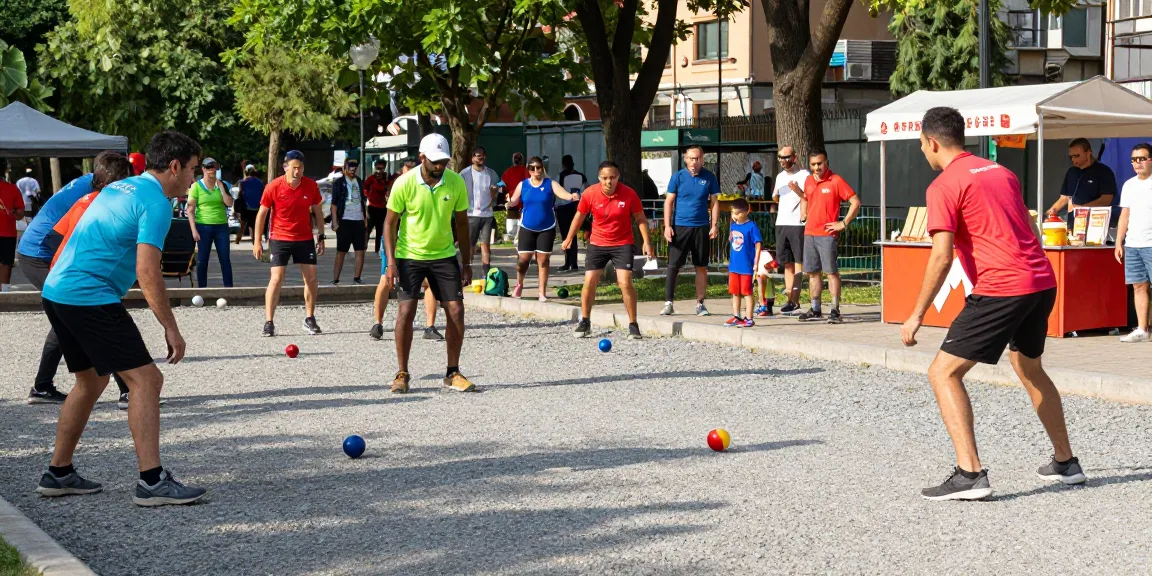
Introduction to Petanque and FOPI Kota Palu
Petanque, a sport rooted in tradition and precision, has seen a remarkable rise in popularity across the globe, including in Indonesia. As a member of the broader family of boules sports, petanque is characterized by its unique gameplay, requiring players to throw metal balls close to a smaller wooden ball known as the cochonnet. This engaging sport not only promotes physical fitness but also fosters community spirit and competitive camaraderie. In Kota Palu, the Federasi Olahraga Petanque Indonesia (FOPI) plays an essential role in developing this sport, ensuring it thrives at local, national, and international levels. For insights about petanque events, training, and community initiatives, you can visit fopikotapalu.org.
What is Petanque?
Petanque is more than just a game; it is a blend of skill, strategy, and social interaction. Played on a variety of surfaces, from gravel to sand, the game typically involves two teams—each with one to three players. The goal is to toss or roll metal balls as close as possible to the target ball, known as the cochonnet. This sport emphasizes precision, as players must navigate the terrain while factoring in environmental conditions. Petanque can be played casually in parks or officially in organized competitions, making it versatile and inclusive for players of all ages.
The History of Petanque in Indonesia
The arrival of petanque in Indonesia is an interesting saga of cultural exchange, primarily introduced by French expatriates. While the exact date of introduction remains unclear, it is known that petanque was brought to various Indonesian regions, including Jakarta, Bali, and Lombok. One of the earliest instances involved the establishment of facilities at French-managed hotels, such as Hotel Novotel in Kuta and Hotel Horizon Ancol, which served as hubs for expatriates and locals alike. This initial phase paved the way for the sport to gain traction amidst the expatriate community, although it remained fairly niche for many years.
In the early 1990s, significant figures like Eddie Lim, who learned the sport in Ancol, played a pivotal role in promoting petanque beyond expatriate circles, eventually introducing it in his home country, Singapore. The real turning point for the sport in Indonesia came in 2011 when the country hosted the SEA Games in Jakarta-Palembang. Petanque was included as an official sport, garnering attention and establishing a framework for competitive play.
Overview of FOPI Kota Palu's Role
FOPI Kota Palu serves as the official governing body for petanque in the region, tasked with nurturing the sport's growth and overseeing competitions. Operating under the auspices of FOPI Provinsi Sulawesi Tengah and affiliated with KONI Kota Palu, FOPI Kota Palu is dedicated to fostering talent, coordinating events, and providing resources to players and coaches. Its mission extends beyond mere organization; it aims to build a vibrant community interested in both competitive and recreational petanque. The federation actively engages in training programs and educational workshops, ensuring the sport's legacy continues to flourish.
Benefits of Joining FOPI Kota Palu
Support for Athletes and Training Programs
One of the most compelling reasons to join FOPI Kota Palu is the extensive support available for athletes. The federation offers structured training programs designed to help players of all skill levels improve their game. From beginner to advanced levels, these programs include coaching, strategy improvement, and skill drills tailored to individual needs. Additionally, FOPI organizes workshops led by experienced players and coaches, which are invaluable resources for personal development and advancement in the sport.
Community Engagement and Events
FOPI Kota Palu is not just about competitive play; it emphasizes community engagement through regular events and tournaments. The federation hosts leagues, friendly matches, and festivals to bring enthusiasts together, fostering a sense of belonging among members. These events not only allow players to showcase their skills but also to socialize and strengthen bonds within the petanque community. By participating in these activities, members contribute to a positive atmosphere that encourages new players to join and learn.
Access to Resources and Training Facilities
Members of FOPI enjoy access to quality training facilities and resources that are crucial for honing their petanque skills. The federation has established partnerships with local gyms and sports complexes, providing members with the infrastructure needed for practice. Additionally, FOPI offers resources such as instructional materials, training aids, and access to competitive tournaments that can enhance a player's experience and exposure to the sport.
Competitions and Tournaments Organized by FOPI Kota Palu
Annual Petanque Championships
FOPI Kota Palu is renowned for organizing the annual Petanque Championships, a highlight on the local sports calendar. This prestigious event attracts participants from various regions, showcasing their skills in both individual and team formats. The championship not only serves as a platform for competition but also as an opportunity to promote petanque to a wider audience. Spectators and participants alike celebrate the spirit of the game, with many aspiring athletes gaining valuable exposure.
Local and Regional Competitions
In addition to the annual championships, FOPI hosts numerous local and regional competitions throughout the year. These events are essential for nurturing competitive spirit and allowing players to test their skills against others in their skill tier. Local competitions often serve as qualifying rounds for larger regional tournaments, thus providing players with a pathway to advance in their competitive journey.
Participation in National and International Events
FOPI Kota Palu encourages its members to participate in national and international events, expanding their experience and visibility. The federation actively sends teams to compete in national tournaments and international meets, representing Kota Palu on larger platforms. Participation in these high-level competitions not only enhances the skills of the athletes but also brings recognition to the sport within Indonesia and beyond.
How FOPI Kota Palu Supports Youth Development
Junior Training Programs and Scholarships
Recognizing the importance of youth development in sports, FOPI Kota Palu has implemented various junior training programs aimed at engaging young athletes. These programs are designed to instill fundamental skills while also promoting sportsmanship and teamwork among youth participants. Furthermore, scholarships are available for outstanding young players, providing them with opportunities to train under professional coaches and compete at higher levels.
Partnerships with Schools and Local Organizations
FOPI actively partners with schools and local organizations to promote petanque among youth. By introducing the sport to students through school programs, FOPI fosters interest and encourages young people to take up petanque as a hobby or competitive sport. These partnerships help integrate petanque into the educational system, providing structured environments where students can learn and practice.
Promoting Inclusion and Diversity Through Sports
FOPI Kota Palu is devoted to promoting inclusion and diversity in sports. The federation is committed to creating an environment where players from all backgrounds, regardless of gender, age, or ability, feel welcome to participate in petanque. This inclusive approach not only enriches the community but also enhances the overall experience of the sport by bringing diverse perspectives and talents into play.
Future Trends in Petanque and Local Development in 2026
Innovations in Competition Formats
As we look towards 2026, petanque is expected to evolve with innovative competition formats that appeal to a younger audience. FOPI Kota Palu is exploring options to introduce shorter, more dynamic game formats that can attract spectators and engage new players. These innovations aim to enhance viewer experience and keep the sport relevant in an increasingly fast-paced environment.
Growth of Petanque within Local Communities
The future of petanque in Kota Palu looks promising with anticipated growth within local communities. FOPI Kota Palu plans to increase outreach efforts to schools, universities, and community centers to popularize the sport further. By creating more accessible opportunities for participation, the federation aims to cultivate a strong grassroots movement that prioritizes health, fitness, and social interaction.
Enhancing Visibility and Engagement Through Technology
The integration of technology will play a crucial role in the future of petanque. FOPI Kota Palu is investing in digital platforms to enhance visibility and engagement. This includes live streaming of events, social media promotions, and the use of digital training tools to boost player development. Embracing technology will help attract a broader audience and facilitate better communication among players, coaches, and fans.
What events does FOPI Kota Palu organize?
FOPI Kota Palu organizes a variety of events ranging from annual championships to local league matches. Each event aims to foster community engagement and competitive spirit among players.
How can I become a member of FOPI Kota Palu?
Joining FOPI Kota Palu is simple. Interested individuals can reach out via the federation's website or contact them directly to learn about membership options and upcoming training sessions.
What resources are available for new players?
FOPI provides multiple resources for new players, including training programs, instructional materials, and access to experienced coaches who can guide them in their petanque journey.
How is petanque growing in Indonesia?
The sport of petanque is experiencing steady growth in Indonesia, with increasing numbers of clubs forming, more tournaments being held, and heightened interest from local communities.
What is the future of petanque in 2026?
The future of petanque looks bright, with innovations in competition formats, expansion into local communities, and the integration of technology driving its development to reach even more enthusiasts.